
Organic vs. Non-Organic Weed: What You Need to Know


Understanding Organic Weed
Organic weed is cultivated using natural methods and materials. This means that no synthetic fertilizers, pesticides, or genetically modified organisms (GMOs) are used during the growth process. Many consumers prefer organic weed because it aligns with sustainable agricultural practices and is often perceived as a healthier choice.
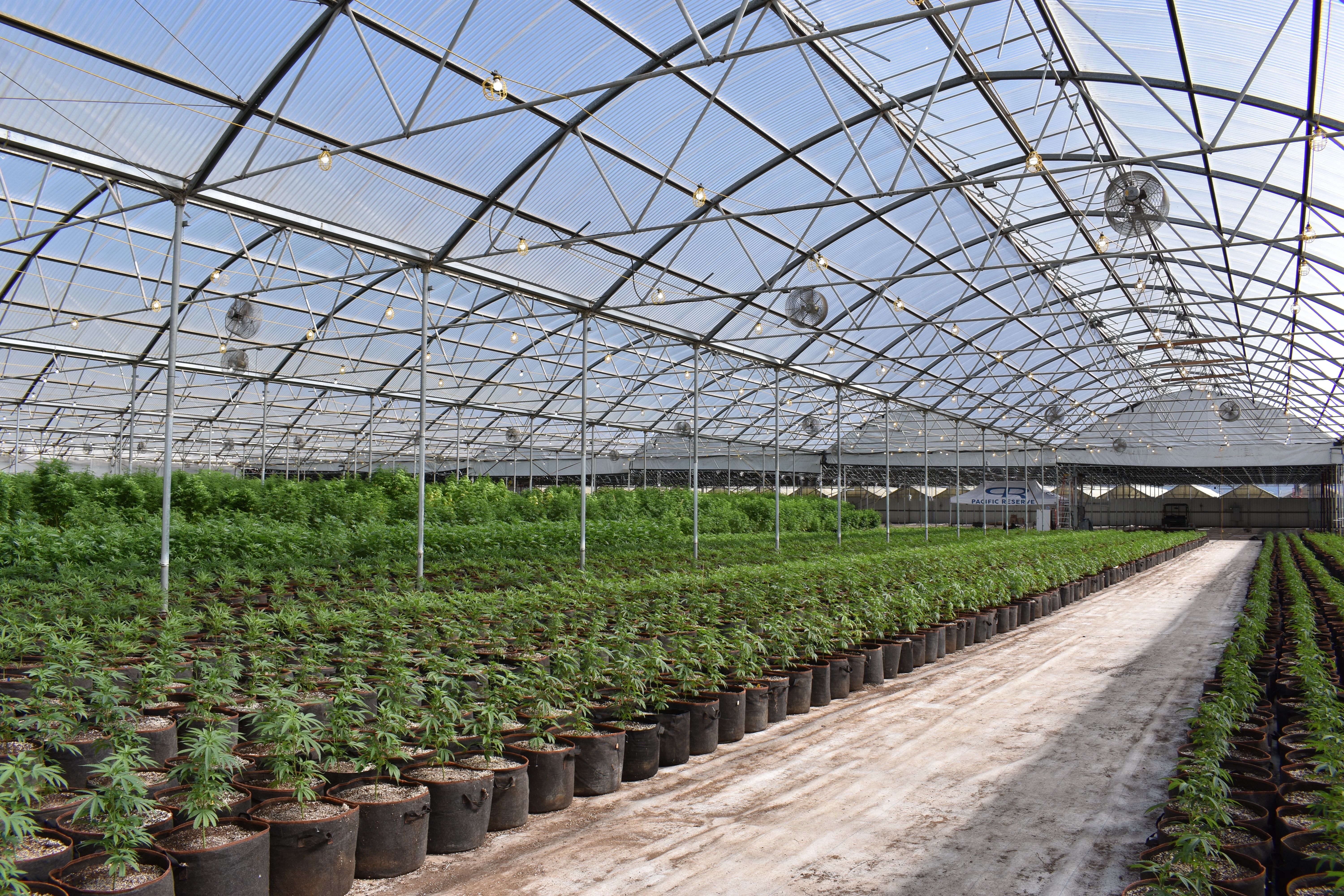
Organic cultivation focuses on soil health, biodiversity, and ecological balance. By using compost, natural pest control, and organic fertilizers, growers aim to produce high-quality cannabis without harming the environment. The emphasis on sustainability and purity is a key reason why many choose organic over non-organic options.
Benefits of Organic Weed
There are several advantages to choosing organic weed. Here are some key benefits:
- Healthier Consumption: Organic weed is free from harmful chemicals, making it a safer option for consumers.
- Environmental Impact: Organic farming practices are more environmentally friendly, preserving natural resources and promoting biodiversity.
- Flavor and Aroma: Many users report that organic cannabis offers richer flavors and aromas due to the natural growing methods.
Exploring Non-Organic Weed
Non-organic weed is cultivated using conventional methods, which often involve synthetic fertilizers and pesticides. These practices aim to maximize yield and efficiency, but they may also introduce chemical residues into the final product.

While non-organic weed is typically less expensive and more readily available, it may not meet the same standards of purity and environmental responsibility as its organic counterpart. Consumers concerned about potential chemical exposure often gravitate towards organic options.
Considerations for Non-Organic Weed
Despite the potential drawbacks, non-organic weed has its own set of considerations:
- Cost-Effectiveness: Non-organic weed is generally more affordable due to higher yields and reduced growing costs.
- Availability: It is often more widely available, making it accessible for a larger number of consumers.
- Variety: Non-organic methods allow for a wider variety of strains to be produced efficiently.
Making an Informed Choice
When deciding between organic and non-organic weed, it's important to weigh your priorities. Consider factors such as health, environmental impact, flavor, and cost. Each type has its own set of advantages and potential drawbacks.

Ultimately, the choice comes down to personal preference and values. Whether you prioritize sustainability or affordability, being informed about the differences can help you make the best decision for your needs.